Aesthetic
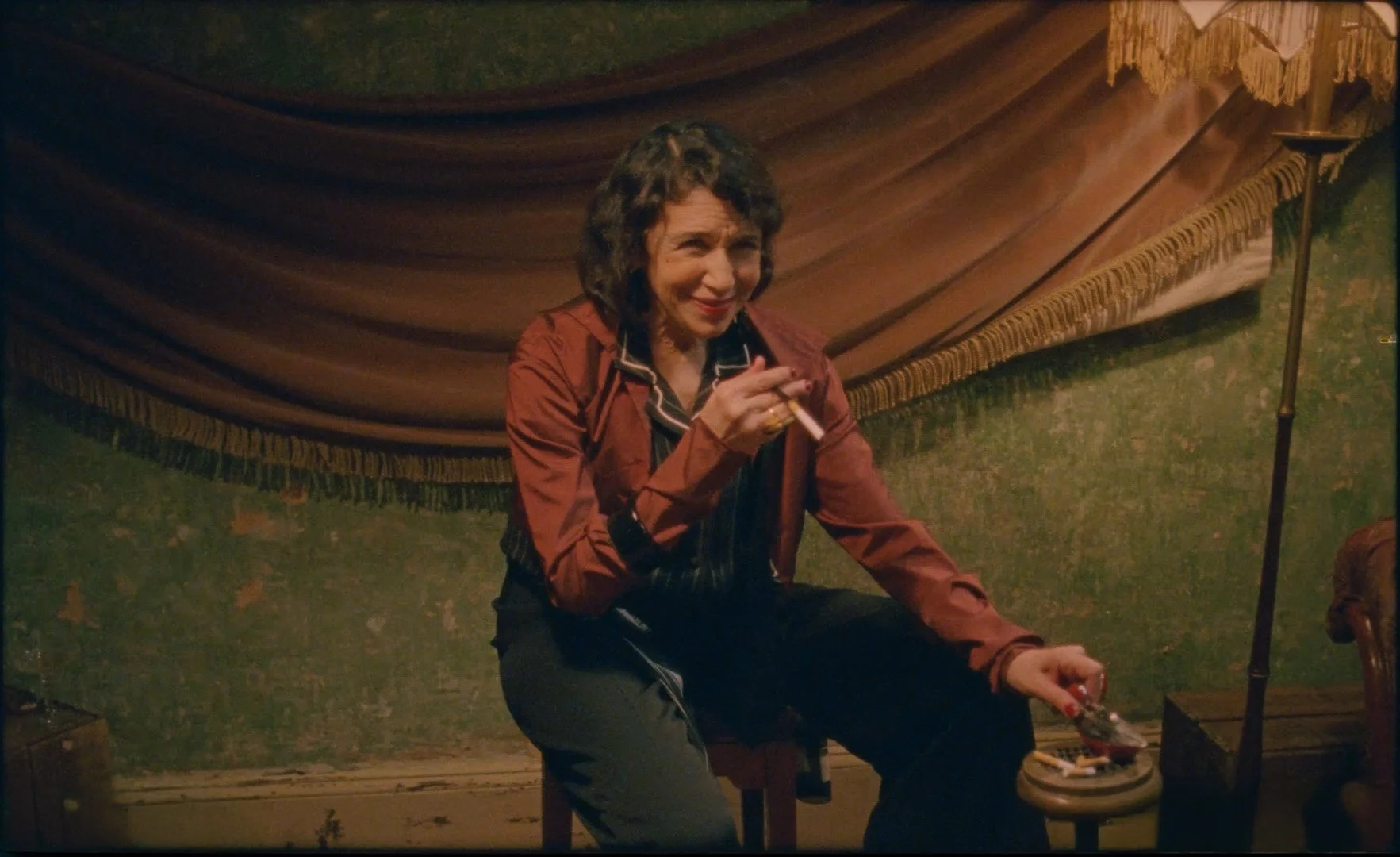
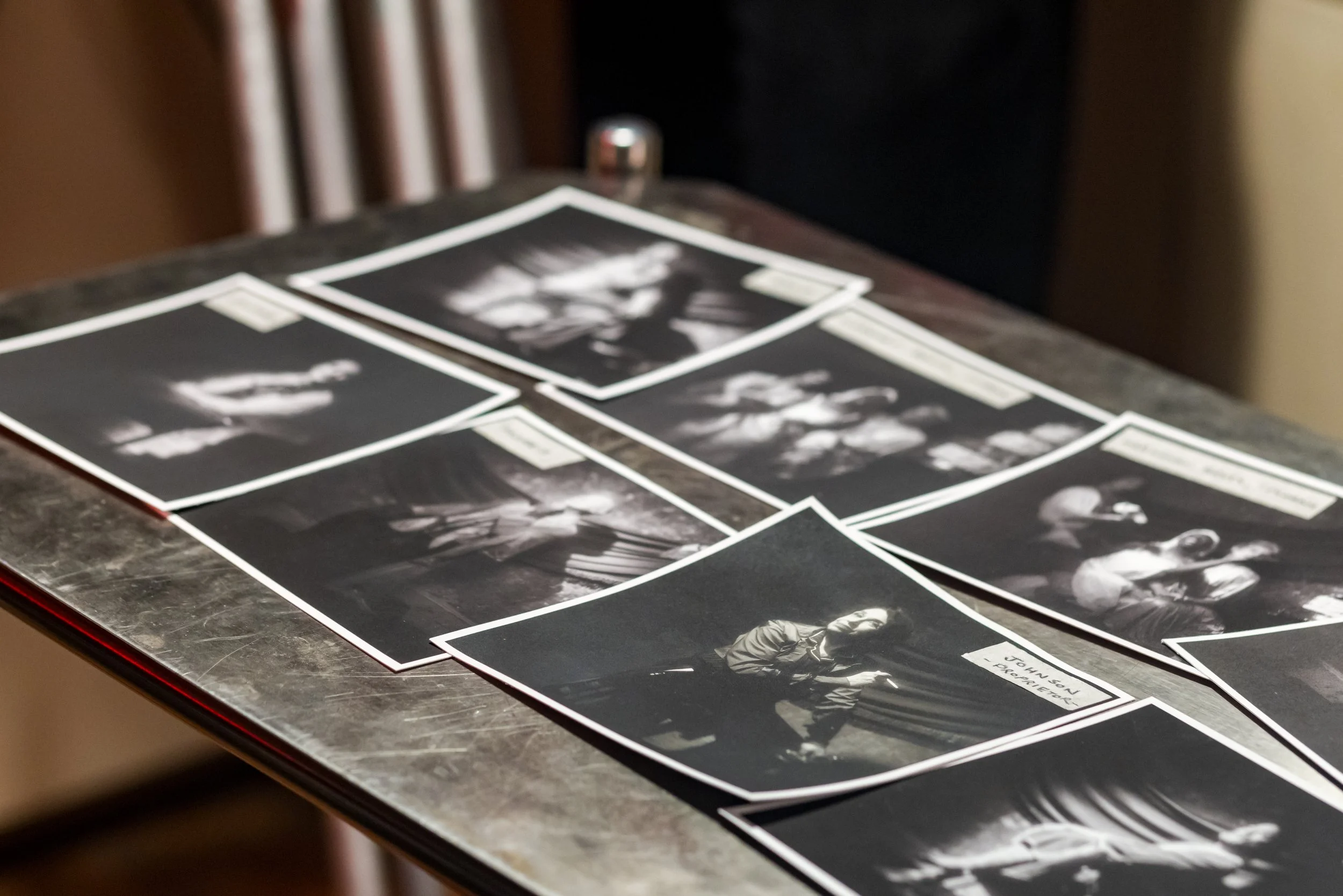
Visually, Powdered and Dancing flips the perspective through which we have historically understood the queer scene of that time. We present the outside world / dark-room as a sterile and cold environment. While the queer space is vibrant, warm and inviting. Throughout the film, the black-and-white photographs show a stark lifeless world very different to that which Ronnie experienced.
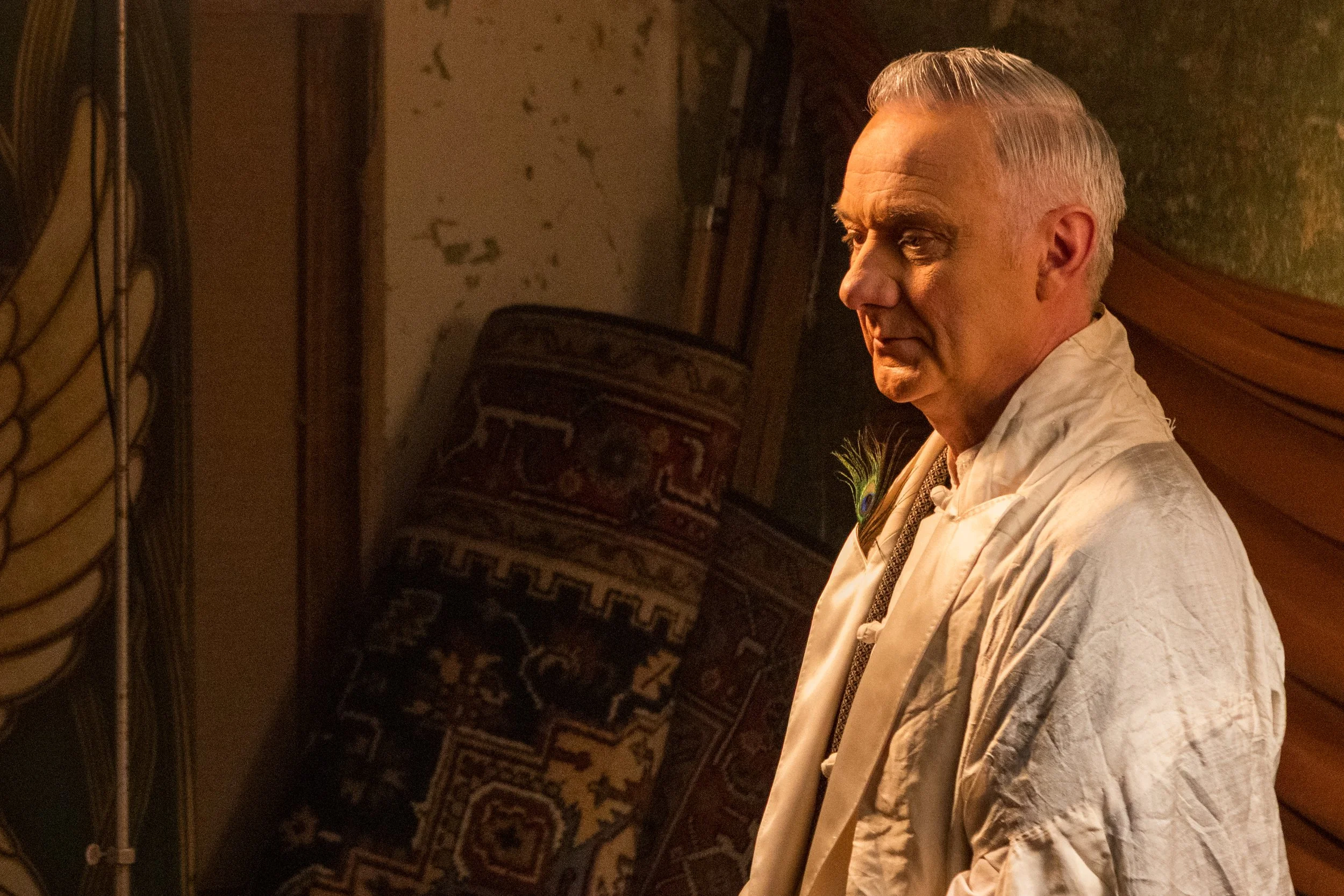
We shot on 16mm film as an ode to the Kodak film roll which inspired this story. This format creates a poetic escapist feel that serves the 1930s bohemian queer space. When Ronnie is first at the door of the club, we use handheld camera and tight close-up framing to emphasize his discomfort. Once in the back room, the camera becomes a voyeur, drifting across details of the partygoers’ outfits. Crucially, we never see inside the club itself. Ronnie is confined to the back room, conveying a sense of claustrophobia and blocking the viewer from “what lies on the other side.” However, we increasingly see hints of the queer space spilling into the room. The cinematography flows in a free-spirited authentic style, which plays in contrast to the constricted space.
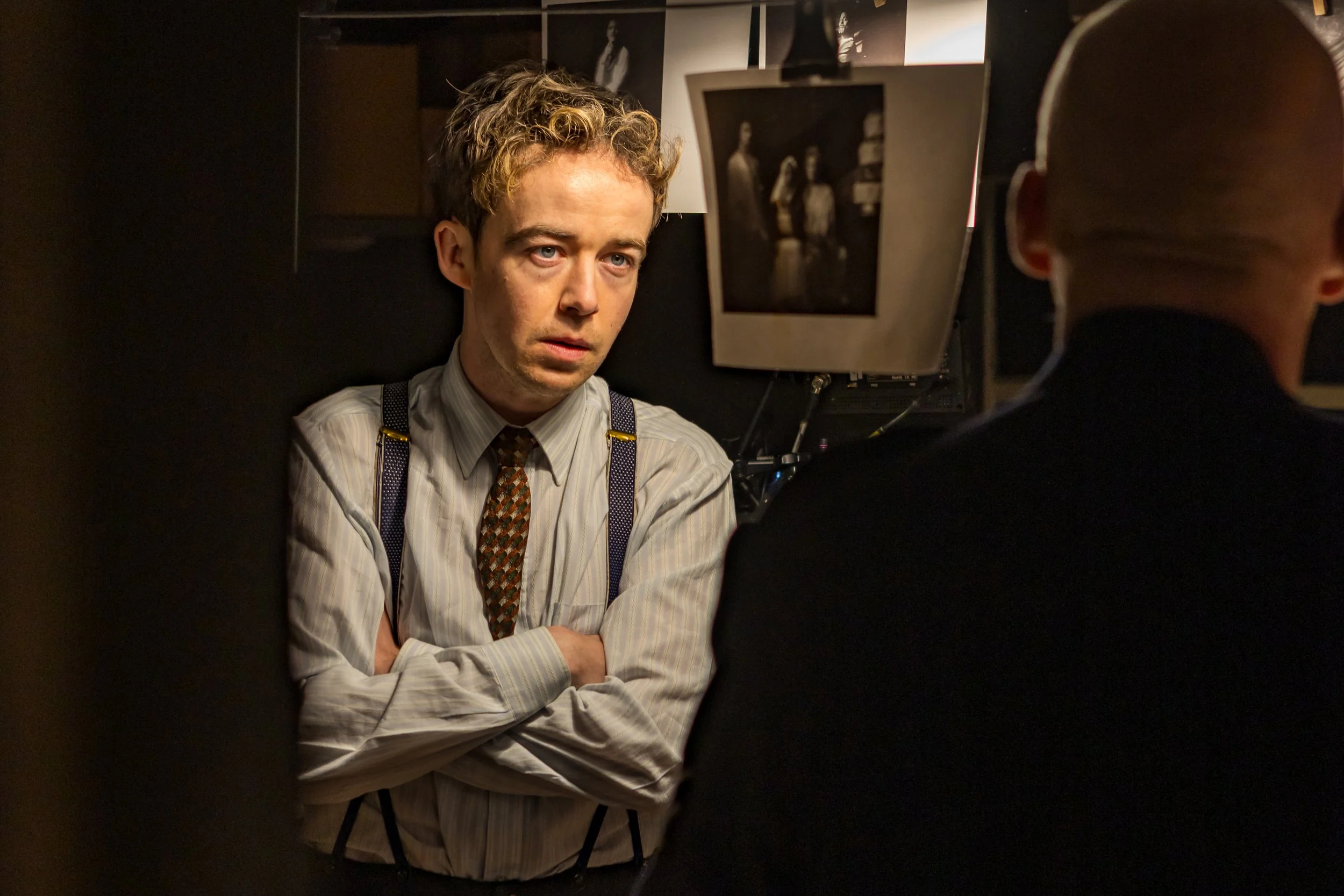
During the police raid, sound design plays a particularly crucial role in demonstrating Ronnie’s inner turmoil. Though he is physically separated from the brutality in this moment by a door, his pain is intensified by hearing the violence rather than seeing it. Leaning on Alex Lawther’s (Alien:Earth) subtle performance style, we close in on Ronnie and watch as guilt slides across his face. Drawing from Bertolucci’s The Conformist, contrasting shadow and light will reflect layers of secrecy and surveillance bearing down on this community; an aesthetic nod to Noir. Ultimately, Powdered and Dancing delivers a grainy, realistic and gritty tone unusual for period dramas.

Hugh Wyld, Writer/Co-Director

Daphne Schmon, Co-Director